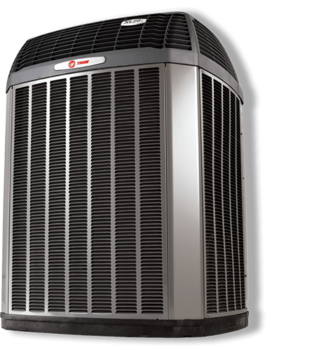
 One benefit of buying a new HVAC system is increased energy efficiency. Older systems typically use energy at a much higher rate than modern ones do, adding to environmental pollution and your monthly energy bill. Newer systems are held to higher efficiency standards, but that does raise an important question: When you are considering different HVAC units, how can you compare their energy efficiency to get the best deal?
There are two air conditioner ratings that can help you figure out the energy efficiency of different HVAC systems. These ratings will be listed as EER and SEER.
Energy Efficiency Ratio (EER)
The EER rating is designed to measure how much energy is needed to remove heat from a home. It is based on three factors: a 95-degree day, an in-house temperature of 80 degrees, and 50% humidity. Systems that use less energy to bring a home to 80 degrees on a hot day get a higher EER rating.
The EER rating is particularly useful if you live in a hotter climate, but it does not take into account the normal fluctuations of temperature you see in a typical cooling season. For that, you need to look at the SEER rating.
Seasonal Energy Efficiency Ratio (SEER)
The SEER rating looks at energy usage over a span of time, with temperature fluctuations from 65 degrees to 104 degrees. Systems that use less energy to cool a house under these varying conditions get a higher SEER rating.
What Ratings to Look For
Energy efficiency is important, but it does come at a cost. HVAC systems with higher SEER and EER ratings almost always come with a higher price tag. The good news is that the minimum SEER rating a system can have is 13 in cooler areas and 14 in warmer areas. This means that any system you get will be at least somewhat efficient. From there, you can consult with your HVAC contractor to find the right balance of efficiency and cost.
Need to know more about air conditioner ratings or other HVAC questions in the Coastal Bend area? Contact CCAC today.
Our goal is to help educate our customers in Corpus Christi, Texas about energy and home comfort issues (specific to HVAC systems). For more information about air conditioner ratings and other HVAC topics, download our free Home Comfort Guide or call us at 361-678-2495.
Credit/Copyright Attribution: “OpenClipart-Vectors/Pixabay”

Helpful Information For You And Your Home
We Put Our Customers First
At Mathews CCAC, we understand the importance of having safe and reliable appliances and systems in your home. Our local experts understand the unique challenges and weather that Texas properties face. From indoor air quality testing to water leak repairs, we deliver the necessary services and knowledge to keep your systems functioning correctly and efficiently. Trust us with your HVAC, electrical, and plumbing needs and benefit from:

Trained Professionals

100% Satisfaction Guaranteed