 The proper amount of attic insulation is what stands between the living spaces of your home and higher energy costs as well as less consistent comfort. The laws of physics tell us that heat energy is always on the move from a warm zone into a cooler zone. In winter, rising heat in rooms radiates through the ceiling into the colder attic. In summer, a hot attic radiates heat the other direction, down through the ceiling into the cooler air conditioned rooms below. In both seasons, the result is increased monthly operating costs and decreased temperature control.
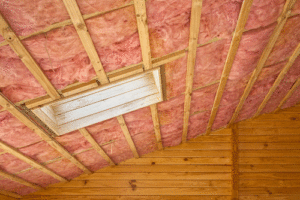
Installed in the attic floor between ceiling joists, attic insulation inhibits the flow of heat in both directions. For your house, this means reduced heat loss in winter and heat gain during summer. Most residential attic insulation is one of two varieties:
- Fiberglass batts are roll-out blankets of fluffy insulation resembling cotton candy. Each batt is pre-cut to fit in the standard distance between ceiling joists up in the attic. This makes installation of fiberglass batts quick and efficient. For a homeowner with the skills, installing new fiberglass batts or upgrading existing insulation is a doable DIY project.
- Cellulose loose-fill is a product consisting of tiny pulverized bits of paper and cloth. Installed in your attic, it resembles freshly-fallen snow filling the spaces between joists. Because cellulose must be blown into the attic under air pressure utilizing specialized equipment, it’s not a job for do-it-yourselfers.
Getting the right depth of insulation is critical to optimum energy efficiency and indoor comfort. The Department Of Energy publishes recommended minimums keyed to climate zones across the country. Here in Zone 2, DOE recommendations call for 10 inches up to 18 inches of fiberglass batts or 8 inches up to 16 inches of cellulose.
If insulation in your attic is too shallow according to current standards, it can be upgraded without removing the existing material. Additional batts or fiberglass or a layer of cellulose can be simply installed atop the existing insulation.
Ask the HVAC professionals at CCAC for more information about upgrading attic insulation.
Our goal is to help educate our customers in Corpus Christi, Texas about energy and home comfort issues (specific to HVAC systems). For more information about HVAC topics, download our free Home Comfort Guide or call us at 361-678-2495.
Credit/Copyright Attribution: “travellight/Shutterstock”
Helpful Information For You And Your Home
We Put Our Customers First
At Mathews CCAC, we understand the importance of having safe and reliable appliances and systems in your home. Our local experts understand the unique challenges and weather that Texas properties face. From indoor air quality testing to water leak repairs, we deliver the necessary services and knowledge to keep your systems functioning correctly and efficiently. Trust us with your HVAC, electrical, and plumbing needs and benefit from:

Trained Professionals

100% Satisfaction Guaranteed