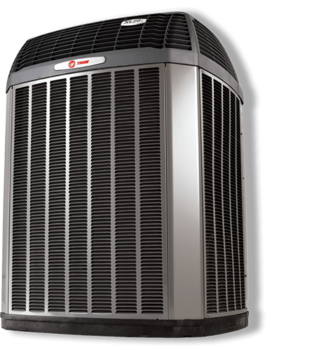

Your condensate drain is part of your overall HVAC system. When you’re running your air conditioner, you get cool air from the system blowing air over your chilled evaporator coils. The cold from the coils brings the temperature of the air down, but it also dehumidifies the air, forming condensation.
This water falls into a drip pan. A drain line runs from it to some point outside your home. The drain line is intended to remove the condensation safely so that it doesn’t cause water damage. However, like most drains, it can get clogged. When that happens, water overflows the drip pan. If left long enough, the water will spill over the sides of the pan, creating water damage and leaks.
It is much simpler to avoid drain clogs than it is to clean up after them. So how do you keep these blocked drains from happening?
Let’s take a look at what blocks the drains and how to prevent it:
- Dust and debris. When you get dust, pollen, and other particles in your air system, some of them will be caught in the condensate drips that occur as your air cools. It’s impossible to keep all dust and other particles out of your air system. However, regularly cleaning your filter can help reduce the number of particles significantly. This means less debris in your drain and fewer chances for it to clog.
- Mold and mildew. Pipes that stay wet, especially with cold or room-temperature water, are the perfect breeding ground for mold and mildew. Overgrowth of these pollutants can clog your condensate drain pipe. Flushing it out as part of your yearly maintenance check-up can prevent clogs.
Have more questions about keeping your condensate drain flowing or other HVAC concerns in the Coastal Bend area? Contact CCAC today.
Our goal is to help educate our customers in Corpus Christi, Texas about energy and home comfort issues (specific to HVAC systems). For more information about condensate drain issues and other HVAC topics, download our free Home Comfort Guide or call us at 361-678-2495.
Credit/Copyright Attribution: “geralt/Pixabay”
Helpful Information For You And Your Home

We Put Our Customers First
At Mathews CCAC, we understand the importance of having safe and reliable appliances and systems in your home. Our local experts understand the unique challenges and weather that Texas properties face. From indoor air quality testing to water leak repairs, we deliver the necessary services and knowledge to keep your systems functioning correctly and efficiently. Trust us with your HVAC, electrical, and plumbing needs and benefit from:

Trane Comfort Specialists

100% Satisfaction Guaranteed