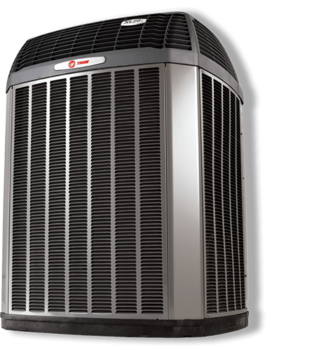
 As heating and cooling technology develops, regulations change to keep up with innovation. This year’s HVAC industry changes primarily affect the cooling systems we rely on so much during the sultry Coastal Bend summers.
Stricter Refrigerant Handling Requirements
As the US phases out ozone-depleting hydrofluorocarbons (HFCs), regulations around air conditioner refrigerants are becoming increasingly tight. Starting January 2018, only certified reclaimers or technicians can buy ozone-depleting substances (ODSs), including hydrochlorofluorocarbons (HCFCs), chlorofluorocarbons (CFCs) and even the relatively safe hydrofluorocarbons (HFCs), such as R-410A refrigerant. Although HFCs don’t contain ozone-damaging chlorine, they do release greenhouse gases if they happen to leak.
To be allowed to handle, maintain, repair, service or dispose of appliances that use these substances, a new technician must pass a certification exam and keep a copy of their certification on record. They’ll also need to keep detailed records of any equipment they dispose of that contains five or more pounds of refrigerant.
Technicians who are currently certified won’t have to be recertified. Still, these HVAC industry changes show how potentially dangerous refrigerant really is and why it’s important to have your system professionally inspected every year to prevent leaks.
Higher Energy-Efficiency Standards
The biggest efficiency standards change of 2018 affects rooftop air conditioners and rooftop heat pumps used on low-rise commercial and public buildings such as shopping centers, hospitals, and warehouses. The Department of Energy (DOE) has mandated that systems manufactured starting January 2018 be 10 percent more efficient than the models currently available.
This is the first stage of a two-stage increase. Starting January 2023, newly manufactured units will need to be 25 to 30 percent more efficient than today’s.
If you own or manage one of these buildings and you’re considering upgrading your A/C, be on the lookout for new, higher-efficiency systems that could save you thousands on your energy bills over the course of your air conditioner’s life.
To learn more about how this year’s HVAC industry changes affect you, contact us at CCAC anywhere in the Coastal Bend area.
Our goal is to help educate our customers in Corpus Christi, Texas about energy and home comfort issues (specific to HVAC systems). For more information about your HVAC system, download our free Home Comfort Guide or call us at 361-678-2495.
Credit/Copyright Attribution: “Gellinger/Pixabay”

Helpful Information For You And Your Home
We Put Our Customers First
At Mathews CCAC, we understand the importance of having safe and reliable appliances and systems in your home. Our local experts understand the unique challenges and weather that Texas properties face. From indoor air quality testing to water leak repairs, we deliver the necessary services and knowledge to keep your systems functioning correctly and efficiently. Trust us with your HVAC, electrical, and plumbing needs and benefit from:

Trained Professionals

100% Satisfaction Guaranteed